
Athlone Institute Paarl
1926 → 2026The next hundred years. Hope in action.
This is the story as it can be told from the record: nine chapters, each one carrying the sources it rests on. Where the record is silent — and for the first fifty years it often is — the page says so, and asks for your help.
Chapter one · 1926
Five churches. One vision.
In a town where higher education was closed to them, five Paarl congregations decided to build the door themselves.
In 1926 the coloured community of Paarl was served by five churches: St Stephen's Anglican, Holy Trinity Anglican, Immanuel Uniting Reformed, Zion Uniting Reformed and Bethel Congregational. Between them they resolved to establish an institute that would give their children a schooling and a teaching qualification that the state would not provide.
The Athlone Institute was the result. It went on to establish the first school and teacher-training college for non-white learners and students in Paarl. Ninety-eight years later, at the Trust's 2024 annual general meeting, all five congregations were still represented around the table.
The Trust's own account holds that roughly forty parishioners pledged their homes and properties as security for the loan that made the purchase possible. That detail comes from the Institute's oral and institutional memory rather than from a published record, and the Trust is asked to confirm it against the founding minute books.
“They refused to let their educational heritage be erased.”
Sources: Paarl Post, 29 November 2024; Sunday World, 15 August 2026; eNCA, 2 August 2026; athlonebursaries.yolasite.com
Read this chapter on its own page
Chapter two · 1926
£5,000, a bicycle and a dream
The founding story the community has carried for a century — and what can and cannot yet be proved.
The story handed down is this: the money needed to secure the Institute — five thousand pounds, an enormous sum in 1926 — was raised and carried through Paarl, and a minister cycled to deliver the cheque that sealed the purchase. The names attached to the telling are Rev William Lloyd and Rev Paulus Joubert.
Both names are written into the town. A William Lloyd Primary School stands in Paarl today, and Paulus Joubert's name is carried by an institution nearby. That the community named its schools after these men says something about what they were understood to have done.
What we have not been able to do is find the cheque, the minute or the newspaper notice. Searches of public press and university archives turned up nothing that confirms the amount, the bicycle or the exact roles of the two ministers. The story is presented here as the community's own account, clearly marked, until the Trust's records or a family archive can settle it.
“A complete system of education — nothing less.”
Sources: athlonebursaries.yolasite.com
Read this chapter on its own page
Chapter three · 1926 onwards
Why "Athlone"?
A name borrowed from an Earl, and what a community did with it.
The Institute took its name from the Earl of Athlone, Alexander Cambridge, Governor-General of the Union of South Africa in the 1920s. Naming a community institution after the Crown's representative was, in that period, both a convention and a form of protection.
There is an irony the Trust does not hide. An institution built by people the colonial state excluded carries a colonial title. Over a century the community filled that borrowed name with its own meaning: teachers trained, musicians formed, students funded, a town's record kept.
The name is now the community's, whatever its origin.
Sources: athlonebursaries.yolasite.com
Read this chapter on its own page
Chapter four · From 1926
The six pillars on Breda Street
A double-storey building with six Roman pillars, and the campus that anchored a community.
The Institute's first home was a double-storey building on Breda Street, its facade carried on six Roman pillars. For generations of Paarl families that frontage was the physical fact of the promise made in 1926: a place of their own, in their own part of town.
The building housed schooling and, in time, teacher training. In 1953 the functions were separated: Noorder-Paarl High School took the schooling, and the Athlone Training College continued to train teachers.
No photograph of the original building has yet been found in a public collection. This is one of the gaps the centenary archive exists to close — if a photograph of the pillars survives in a family album, a church record or a school magazine, the Trust would like a copy.
Sources: Paarl Post, 29 November 2024; University of Cape Town Libraries, Special Collections
Read this chapter on its own page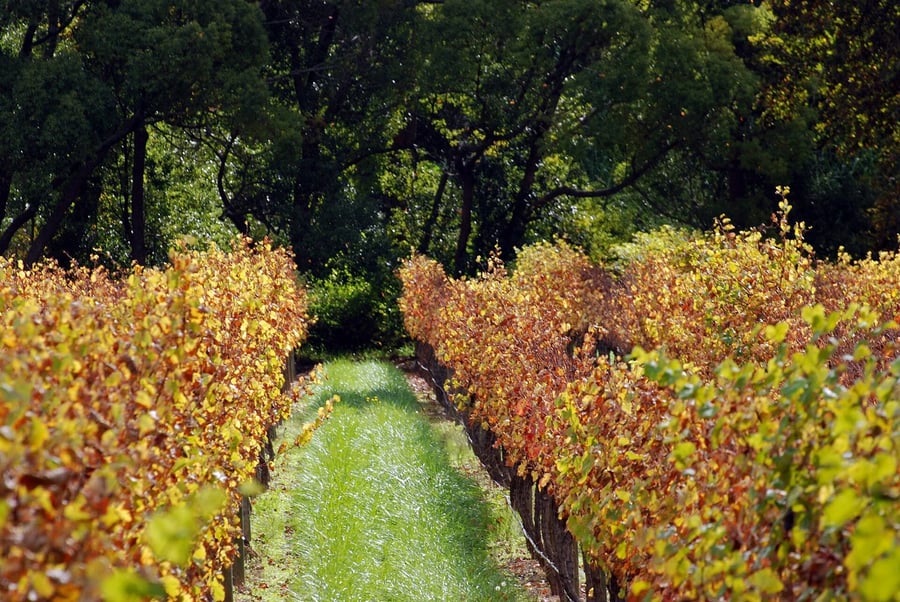
Chapter five · 1974 – 1993
The building that came back
Forced removal under the Group Areas Act, prefabricated classrooms, a storm — and a return.
Under the Group Areas Act the community was moved off the Breda Street campus in the mid-1970s. Teaching continued in prefabricated and asbestos buildings on new ground; a storm later tore through them. In time the school returned to the original campus.
The Athlone Training College continued until 1993, when it closed in the national wave that ended South Africa's colleges of education. Its graduates had by then been teaching in Western Cape classrooms for four decades.
Noorder-Paarl High School stands on the campus today. Its survival, in the CEO's words, is a testament to generations who refused to let their educational heritage be erased.
The detail of the removal, the storm and the return is drawn from the Trust's own narrative. Public documentation of these events has not been located and the account awaits confirmation from Trust and school records.
“Noorder-Paarl High School stands today as a testament to the resilience and determination of generations who refused to let their educational heritage be erased.”
Sources: Sunday World, 15 August 2026; Wikipedia; Yesterday and Today (SASHT), 2022
Read this chapter on its own page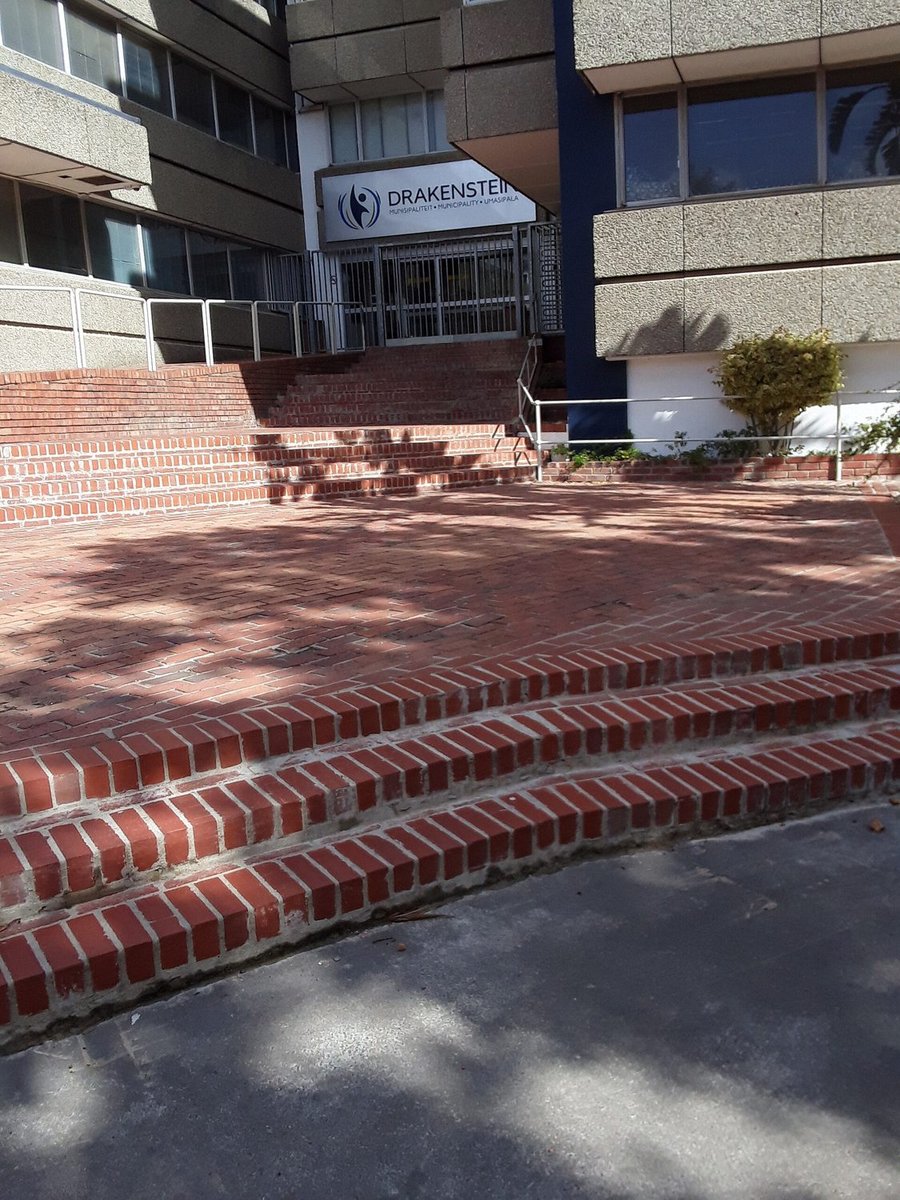
Chapter six · 1970 onwards
From teachers to musicians
When the college closed, the music did not.
The Frank Pietersen Music Centre began as the Paarl Schools Music Centre in 1970, founded by the teacher and musician whose name it now carries. Its history and its contribution to the community are the subject of a full masters thesis at Stellenbosch University.
The Centre has since been rebuilt more than once. Vaughan Pietersen restarted teaching with a handful of learners and grew the programme back into a full orchestra; by the early 2020s he was leading the Centre's combined ensembles in public concerts in Paarl.
Today the Centre employs a staff of fifteen and teaches children across the Paarl valley. It is the clearest line from the Institute's founding purpose to the present: a formal education, delivered locally, to children the system would otherwise pass over.
Sources: Stellenbosch University (MMus thesis), March 2013; Paarl Post, 1 December 2023
Read this chapter on its own page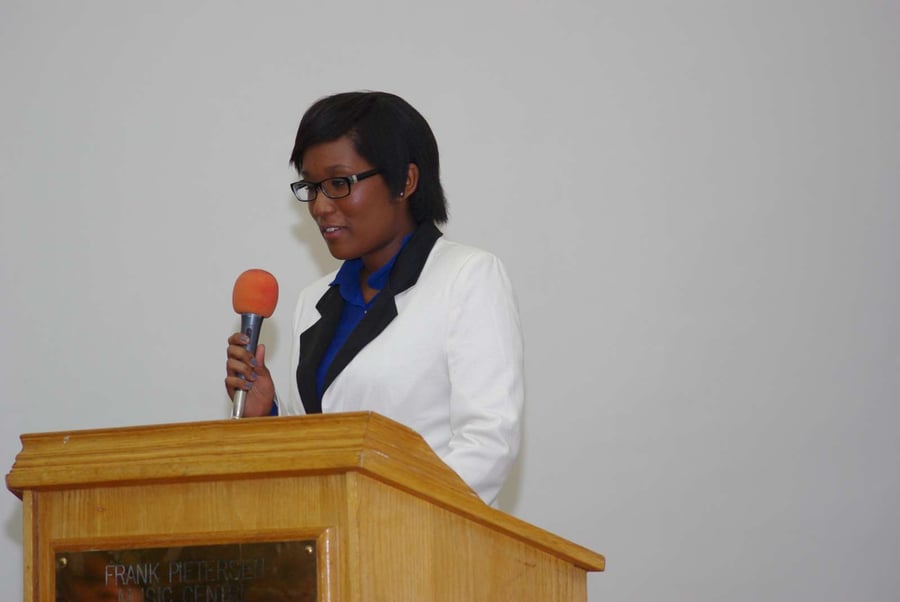
Chapter seven · 1996 onwards
From Athlone to KC
A community radio station that started with a group of young people and a small stake.
KC107.7 — for years Radio KC — has broadcast to the Greater Paarl Valley, from Saron to Simondium, since 1996. It began, in the station's own telling, with the commitment of a group of thoughtful young men and women, and it remains a non-profit, community-owned enterprise.
The Institute's account is that it provided seed funding at the start. That link is part of the Trust's narrative and is not stated in the published histories of the station; it needs confirmation from the Trust's own records.
Thirty years on, the station is one of the loudest voices in the valley — and, in 2026, one of the ways the centenary reached the community.
Sources: Netwerk24, 22 September 2017; iono.fm
Read this chapter on its own page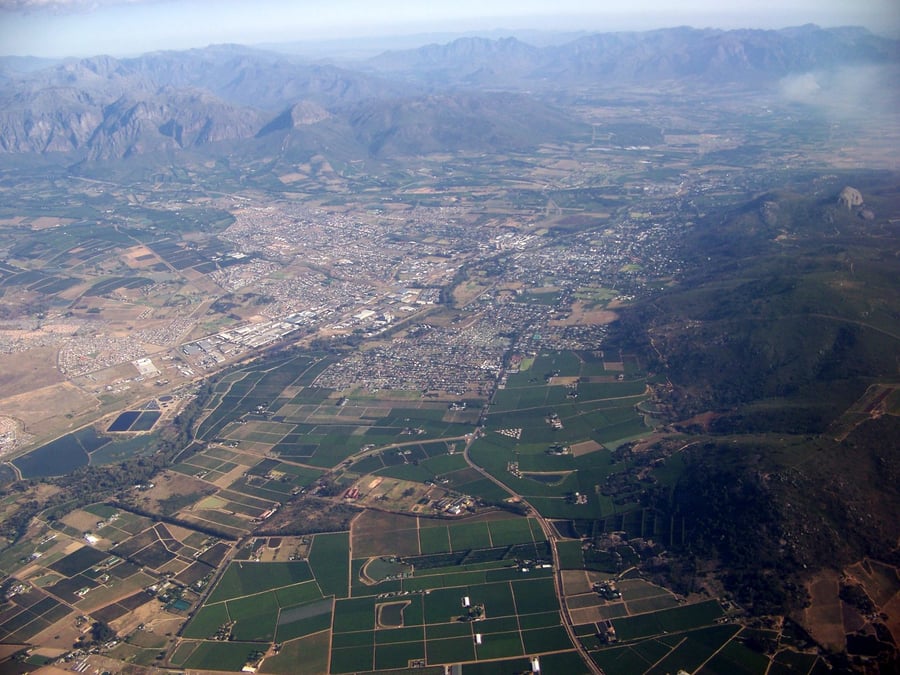
Chapter eight · 1998 onwards
The bursary fund
The Institute's founding purpose, still running, every February.
The bursary fund was established in 1998 as the AIT Bursary Project Committee, and operates today as the Athlone Institute Bursary Project Fund — AIBPROF, a registered non-profit — under the motto Adiuvans se ipsum Adiuvantem: helping those who help themselves.
Every year the call goes out in the Paarl Post and from the pulpits: applications open in January, forms are collected from the member churches and a local pharmacy, and the window closes at the end of February. Eligibility runs to students from Paarl and Mbekweni and to parishioners of the member churches. In recent years the criteria have been revised and the process partly moved online.
The Trust's own figures record more than fifteen hundred students supported since the fund began, and annual awards in the region of half a million rand or more. Those totals appear in the Trust's materials rather than in published reporting, and are shown here pending confirmation.
“Adiuvans se ipsum Adiuvantem — helping those who help themselves.”
Sources: athlonebursary.co.za, 2026; Athlone Institute Bursary Project Fund, January 2025; Paarl Post, 19 January 2024; Paarl Post, 21 December 2018
Read this chapter on its own page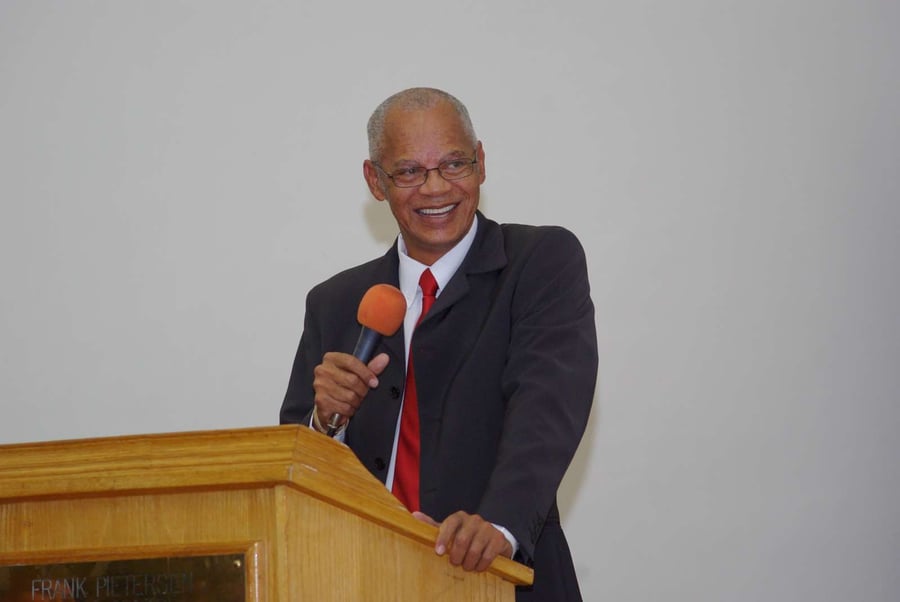
Chapter nine · 2026 and onwards
Hope in action today
A school, a music centre, a radio station, a bursary fund, a shelter — one hundred years of the same idea.
What began as one institute is now an ecosystem. Noorder-Paarl High School teaches on the original campus. The Frank Pietersen Music Centre trains the valley's young musicians. KC107.7 broadcasts to the valley. The bursary fund sends students to university every year.
The Athlone House of Strength grew directly out of the same five congregations: conceived in October 1999 by Ms Pat Martin and women from the Institute's member churches, and registered as a non-profit shelter in 2001. It works with women and children affected by abuse.
In July 2026 Dr Harlan Cloete was appointed Chief Executive Officer of Athlone Institute Paarl, and in August the Trust marked its centenary with a concert at Bethel Congregational Church — the church where, a hundred years earlier, part of the founding decision was taken.
“Over the past century, the Athlone Institute has done far more than educate learners.”
Sources: Sunday World, 15 August 2026; eNCA, 2 August 2026; Athlone House of Strength; Western Cape Women's Shelter Movement
Read this chapter on its own page
The century
1926 to 2026, in twelve moments
1926
Five Paarl churches found the Athlone Institute
St Stephen's, Holy Trinity, Immanuel, Zion and Bethel establish an institute to provide schooling and teacher training for a community excluded from both.
1920s
The Breda Street building
A double-storey building carried on six Roman pillars becomes the Institute's first home.
The six pillars on Breda StreetFrom the Trust’s own account — to be verified1945
A future activist enrolls
Ruth Naomi "Tania" Leon, later an anti-apartheid and gay-rights activist in the Netherlands, is born near Paarl and is educated at the Athlone Institute.
1953
School and college separate
Noorder-Paarl High School takes the schooling; the Athlone Training College continues to train teachers.
The six pillars on Breda StreetFrom the Trust’s own account — to be verified1970
The Paarl Schools Music Centre opens
Founded by Frank Pietersen; later renamed the Frank Pietersen Music Centre.
1974
Forced removal under the Group Areas Act
The community is moved off the campus; teaching continues in prefabricated buildings, later damaged in a storm.
The building that came backFrom the Trust’s own account — to be verified1993
The Athlone Training College closes
The college ends with the national closure of South Africa's colleges of education.
1996
Radio KC goes on air
Community radio begins broadcasting to the Greater Paarl Valley; today KC107.7.
1998
The bursary fund is established
Founded as the AIT Bursary Project Committee, now AIBPROF.
1999
The Athlone House of Strength is conceived
Ms Pat Martin and women of the five member churches begin a shelter for women and children; registered as an NPO in 2001.
2024
The 98th annual general meeting
The Trust marks its 1926 founding and distributes a commemorative history book; all five churches are represented.
2026
A century — and a centenary concert
Dr Harlan Cloete is appointed CEO in July; in August the Trust marks its centenary with a concert at Bethel Congregational Church.
Help us complete the record
Much of this century lives in family albums, church minute books, school magazines and memory. Photographs of the Breda Street building, the college, the removal and the years in the prefabricated classrooms have not been found in any public collection. If you hold one, the archive would welcome a copy — credited to you, on your terms.
Every source used on this page
- KC107.7 station profile, iono.fm Read the source
- AtoM@UCT archival catalogue — "Athlone" search, University of Cape Town Libraries, Special Collections Read the source· to be verified by the Trust
- Dorothy Williams (activist), Wikipedia Read the source
- Tania Leon (Ruth Naomi Leon), 1945–1996, Wikipedia Read the source
- aibprof — Who We Are, athlonebursaries.yolasite.com Read the source· to be verified by the Trust
- Athlone House of Strength — organisation profile, Western Cape Women's Shelter Movement Read the source
- Athlone House of Strength — Home, Athlone House of Strength Read the source
- Die Frank Pietersen Musieksentrum: Historiese agtergrond en ontwikkelingsbydrae tot die gemeenskap — Petrus Jacobus Coetzee, Stellenbosch University (MMus thesis), March 2013 Read the source
- AIBPROF Online Bursary Application Step-by-Step Guide, Athlone Institute Bursary Project Fund, January 2025 Read the source
- The Athlone Institute Bursary South Africa 2026, EduFunds SA, February 2026 Read the source· to be verified by the Trust
- Athlone Institute celebrated founding in 1926 at AGM, Paarl Post, 29 November 2024 Read the source
- Radio KC comes of age this year, Netwerk24, 22 September 2017 Read the source
- Dorothy Adams, South African History Online, 21 July 2026 Read the source
- Apply for an AIT bursary, loan, Paarl Post, 21 December 2018 Read the source
- Athlone Institute Bursary Project Fund — application information, athlonebursary.co.za, 2026 Read the source
- Unpacking the past: The ambivalent legacy of colleges of education — Maureen Robinson and Linda Chisholm, Yesterday and Today (SASHT), 2022 Read the source
- Ruth Naomi Leon, South African History Online, 20 July 2026 Read the source
- KYK: Met meesterlike musiek vier die Athlone Instituut Trust hul eeufees, eNCA, 2 August 2026 Read the source
- Bursary project has new criteria, Paarl Post, 19 January 2024 Read the source
- Partnerships and potential: Building Athlone Institute Paarl's second century, Sunday World, 15 August 2026 Read the source
- Frank Pietersen Christmas concert, Paarl Post, 1 December 2023 Read the source